



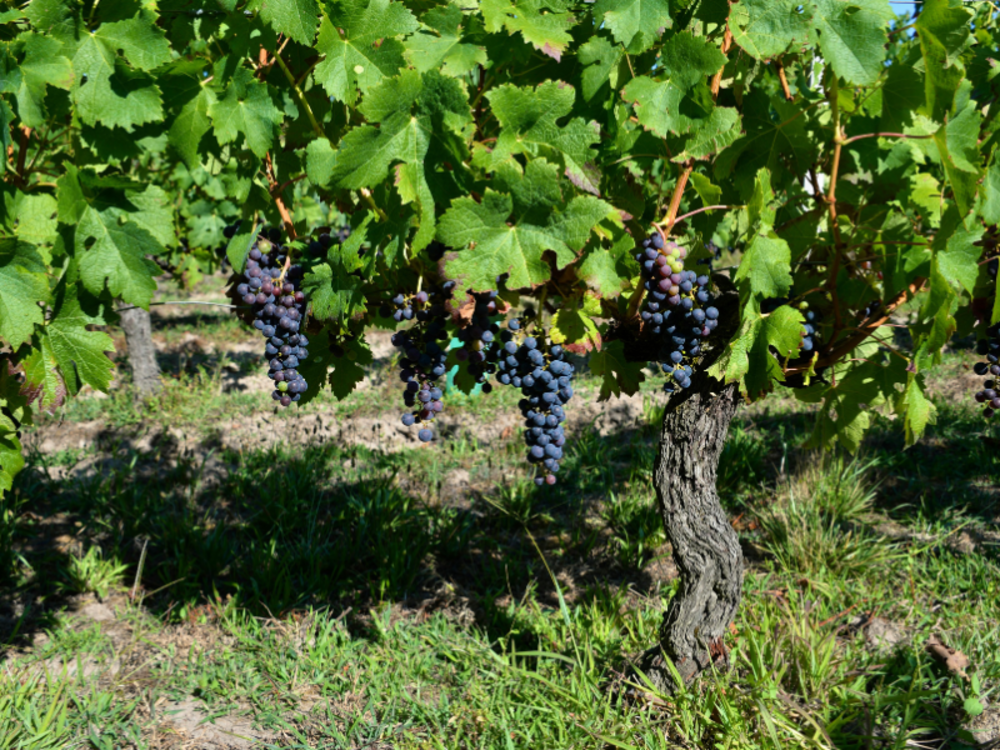
Farming has always been the backbone of Napa Valley, from its early agricultural roots to today’s world-renowned vineyards that continue to sustain the region’s way of life.
Before Napa Valley became synonymous with wine, its fertile land and mild climate supported a remarkable diversity of agriculture. Sheltered by volcanic mountain ridges and blessed with rich soils, the region produced everything from grains and fruits to nuts and livestock. The valley’s unique position—cooler than inland California yet sunnier than fog-socked San Francisco—created ideal conditions for farming.
In the 1800s, Napa’s agricultural landscape evolved alongside its changing political identity. Under Mexican rule, vast ranchos lined the Napa River, where cattle, sheep, and horses roamed, and wheat fields thrived. After becoming part of the United States, those ranchos gave way to smaller farms and vineyards.
Local farmers experimented widely, from cultivating hops and raisins to trying their hand at tea and silk production. Even rice was grown in the lowlands near what is now St. Helena’s Meadowood Resort.
By the late 19th century, Napa County had earned a reputation as an agricultural powerhouse. It ranked among California’s top wheat producers and boasted flourishing orchards. At their peak, local farms supported hundreds of thousands of fruit and nut trees, with prunes—particularly French prunes introduced in 1871—becoming a defining crop alongside the valley’s growing vineyards.
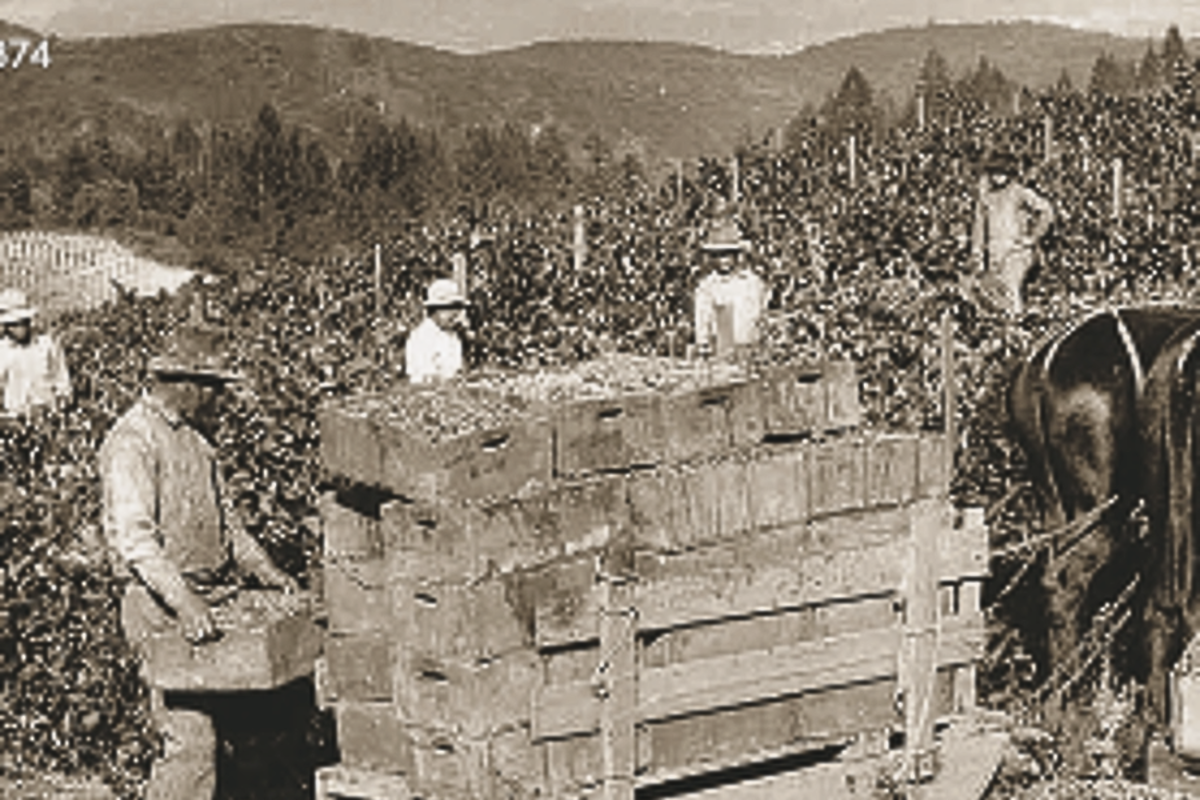
That deep agricultural heritage ultimately shaped one of Napa Valley’s most defining moments. In 1968, Napa Valley became America’s first designated Agricultural Preserve, a groundbreaking zoning ordinance designed to protect the region’s farmland, landscapes, and natural beauty for generations to come. Initially safeguarding 26,000 acres of valley floor and foothills—now expanded to more than 38,000 acres—the preserve governs everything from how close vineyard rows can be planted to roadways to where homes may be built on surrounding hillsides.
Today, the principles behind the Agricultural Preserve continue to guide Napa Valley’s future. Sustainability and environmental stewardship remain central to the region’s ethos, with wineries, restaurants, hotels, and businesses embracing practices such as organic and regenerative farming, solar energy, and water conservation. Together, these efforts ensure that Napa Valley’s agricultural legacy is not only preserved—but thriving—well into the future.