

Charles Krug Winery
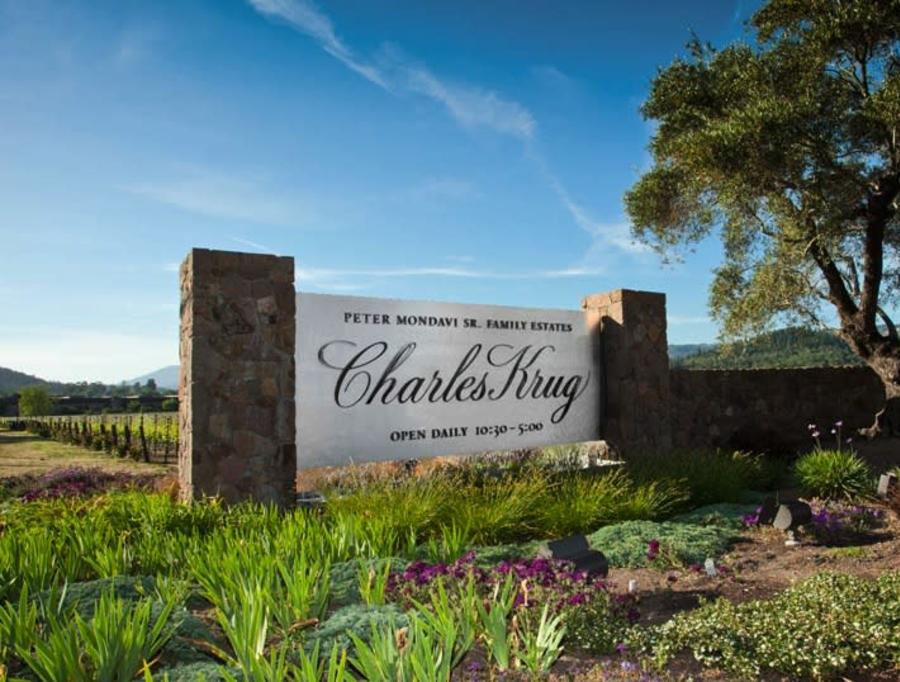
Nestled in the hills of St Helena, Charles Krug Winery holds the distinction of being Napa Valley’s oldest commercial winery, having first opened its doors in 1861. Founded by Prussian immigrant Charles Krug, this winery’s story is foundational to wine country’s identity. Long before our region was known across the world for exceptional wine growing capabilities, Krug was lovingly nurturing the grapes that would then become one of the first commercially available varietals. In 1882, Charles Krug opened Napa Valley’s very first public wine tasting room, paving the way for the kind of attraction that Napa would become best known for.
The winery was operated by the Krug family until 1943, when a new era came about with the purchase of the estate by Cesare and Rosa Mondavi, together with their sons Peter and Robert. This transition would be the launching point for the Mondavi family’s multi-generational influence on the winemaking industry in Napa Valley, and industry standards, such as the use of cold fermentation in the crafting of white wines, would go on to be developed at this winery. Today, five generations of the Mondavi family have stewarded the winery, preserving its historic charm while integrating innovations that helped put Napa wines on the global stage.
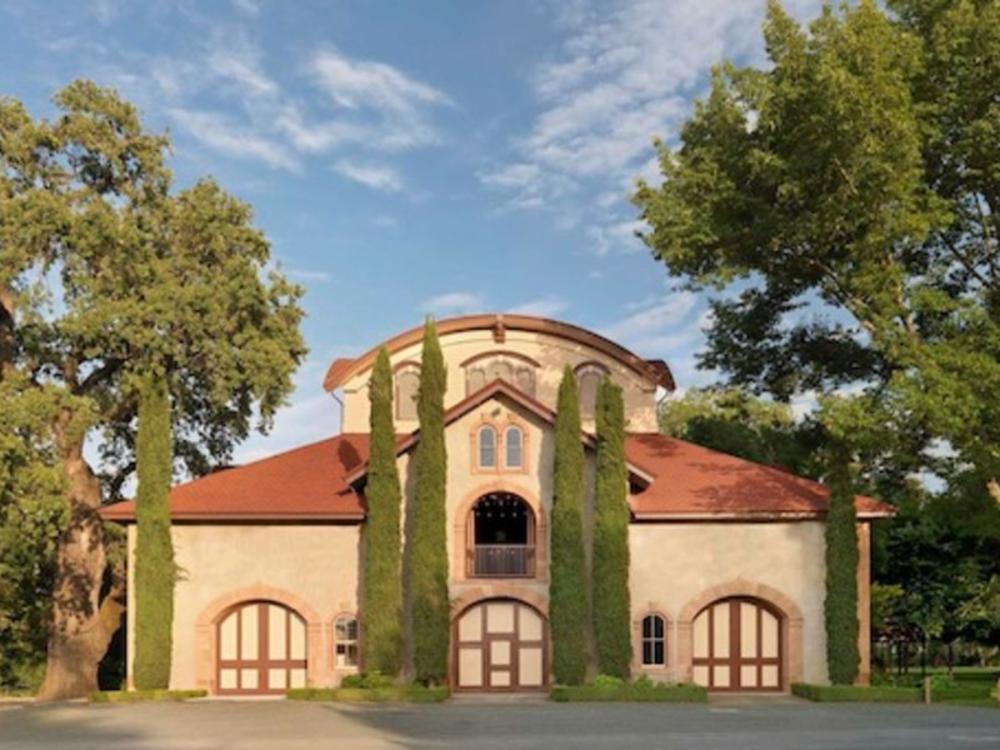
Visitors to the estate are immersed in history from the moment they arrive. You’ll be greeted by towering olive trees lining the driveway, and the original tasting room still maintains its iconic ambience, making Charles Krug a must-stop for those looking to take a look at the birthplace of Napa Valley’s wine tasting culture as we know it.
Beringer Vineyards
While Charles Krug can claim the title of oldest, Beringer Vineyards can claim the title of longest continuously operating winery in Napa Valley. That might not make much sense on the surface, but Charles Krug, like most alcohol manufacturers, had to stop producing wine during Prohibition. Beringer Vineyards, though, managed to keep their doors open through a legal loophole — they secured permission to produce sacramental wine, and were able to stay open because of religious exemptions to the law.
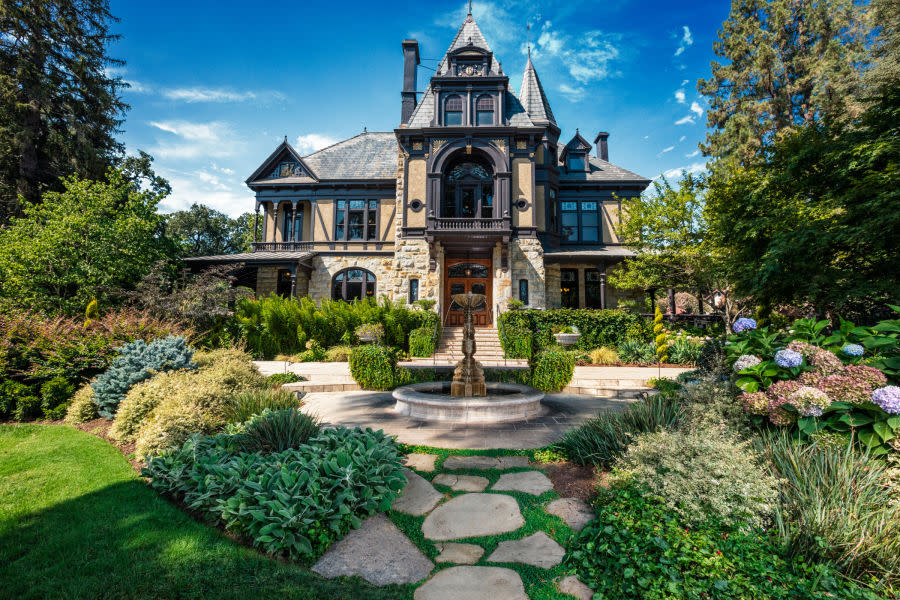
Founded in 1876 by German brothers Jacob and Frederick Beringer, the estate quickly made a name for itself with both its winemaking prowess and architectural grandeur. The iconic Rhine House, completed in 1884, still anchors the property with stained glass, carved woodwork, and old-world elegance — a reminder of the cultural crossroads of Napa Valley’s wine and social history.
Over the last 140 years, this pioneering winery has had only eight chief winemakers, ensuring a steady commitment to their identity as one of Napa Valley’s most influential operations. Beringer was, in fact, the first winery to offer public tours in 1934, an innovation that helped shape Napa’s modern wine tourism industry. Today, visitors can still wander through historic cellars, enjoy educational tours, and savor wines that reflect more than 140 years of continuous winemaking craft.
Beaulieu Vineyard
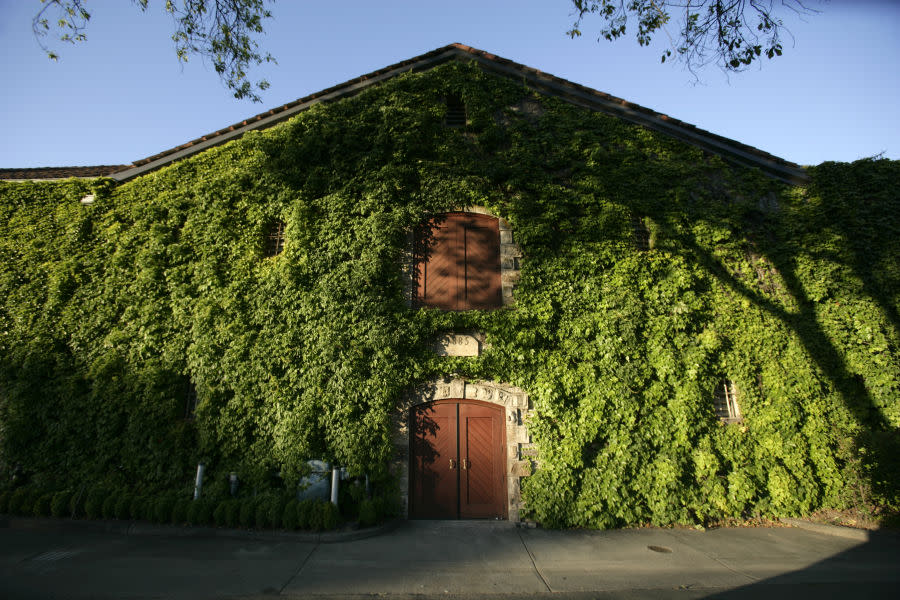
Beaulieu Vineyard (often simply referred to as BV) is one of Napa Valley’s most iconic estates. Established in 1900 by French immigrants Georges and Fernande de Latour, BV’s history embodies both the romance of old-world tradition and the ambition that has defined Napa for more than a century.
The name “Beaulieu,” meaning “beautiful place,” was reportedly the first phrase Fernande uttered after seeing the sprawling valley vineyards — “Que beau lieu!” It seemed only fitting to keep this as the name, and from then on, Beaulieu as we know it began to take shape. After purchasing their first four acres in 1900, Georges and Fernande steadily grew their operation, even importing pest-resistant vines from the Mediterranean climate they themselves came from. The de Latours went on to build one of Napa Valley’s most influential wineries, particularly through the stewardship of legendary winemaker André Tchelistcheff, who joined in 1938 and elevated BV’s wines to world-class stature.
BV is especially celebrated for its Georges de Latour Private Reserve Cabernet Sauvignon, first released in 1940 and one of Napa Valley’s earliest cult-favorite wines. This Cabernet Sauvignon helped shape the valley’s Cabernet-centric reputation, and for decades has been a benchmark bottle for Napa collectors and connoisseurs alike.
Stags’ Leap Winery
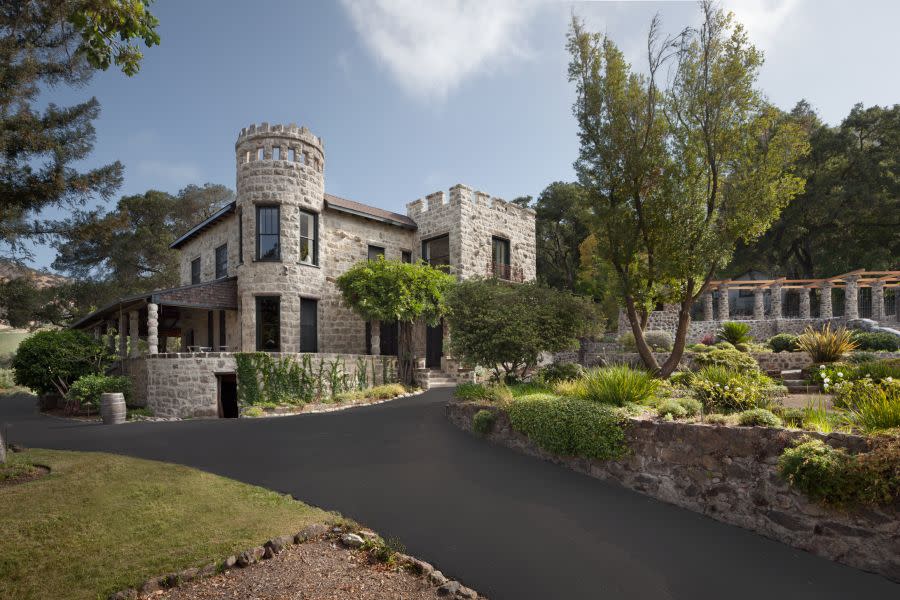
Originally planted and producing wine in the late 19th century, Stags’ Leap Winery gracefully navigated the hardships of the 20th century, including Prohibition and a rotating cast of owners and operators. Today, it stands restored and revitalized, offering visitors a glimpse into both old-world estate architecture and terroir-driven wines that reflect this distinguished part of Napa Valley.
The winery welcomes guests by appointment, inviting them to savor wines crafted with respect for the estate’s rich legacy, from vineyard to bottle, all within one of Napa’s most scenic and storied districts.
Chateau Montelena
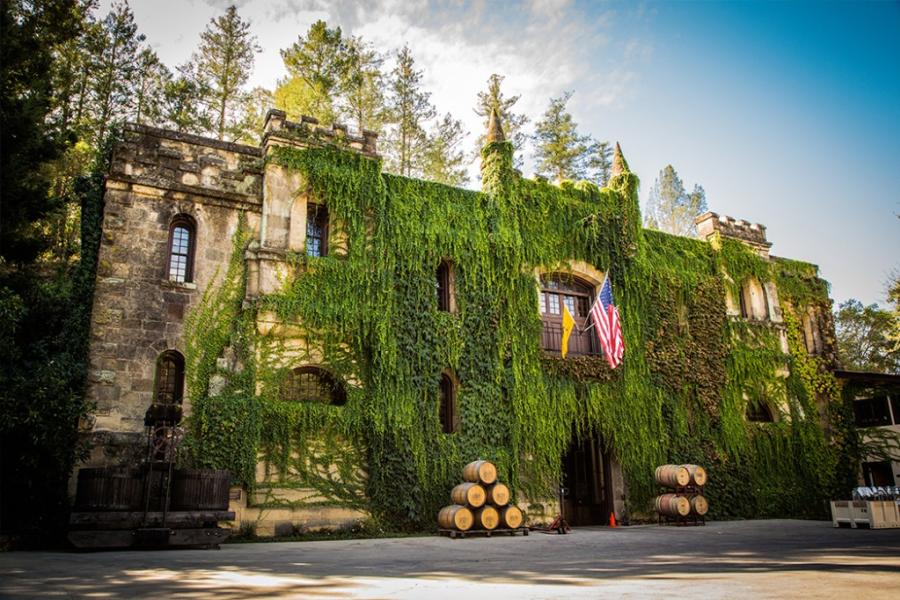
No discussion of Napa Valley’s history would be complete without paying homage to Chateau Montelana, one of the wineries responsible for putting California wines on the global stage. Though it is much younger than many of its historic counterparts, Chateau Montelana famously participated in the 1976 Judgment of Paris, an international wine competition hosted in France. To the shock of everyone — besides the California winemakers themselves, of course — this winery’s 1973 Chardonnay outperformed the rest, and established California as a legitimate wine growing region.
This Gilded Age-style stone winery offers beautiful gardens and sweeping vineyard views, seamlessly blending tradition with modernity. It’s a great stop to taste your way through a key part of the valley’s history.